chun
Well-Known Member
- Joined
- Feb 4, 2024
- Threads
- 27
- Messages
- 2,365
- Reaction score
- 2,131
- Location
- Switzerland
- Vehicles
- Taycan Turbo 2020, Cayman GT4

Weird. In my industry, it is used for reactors. It handles impacts much better than steel, according to what I know. It of course, matters what kind of impacts. 90degrees high force, sharp, speed, sure... it won't be much better than paper.Pretty well everything you write here is wrong.
I was one of the pioneers of the use of composite materials in Formula 1 over 40 years ago and have considerable experience of the use of different fibres and resins as well as most engineering alloys.
Glass fibre is nice and cheap and flexible, that is about it.
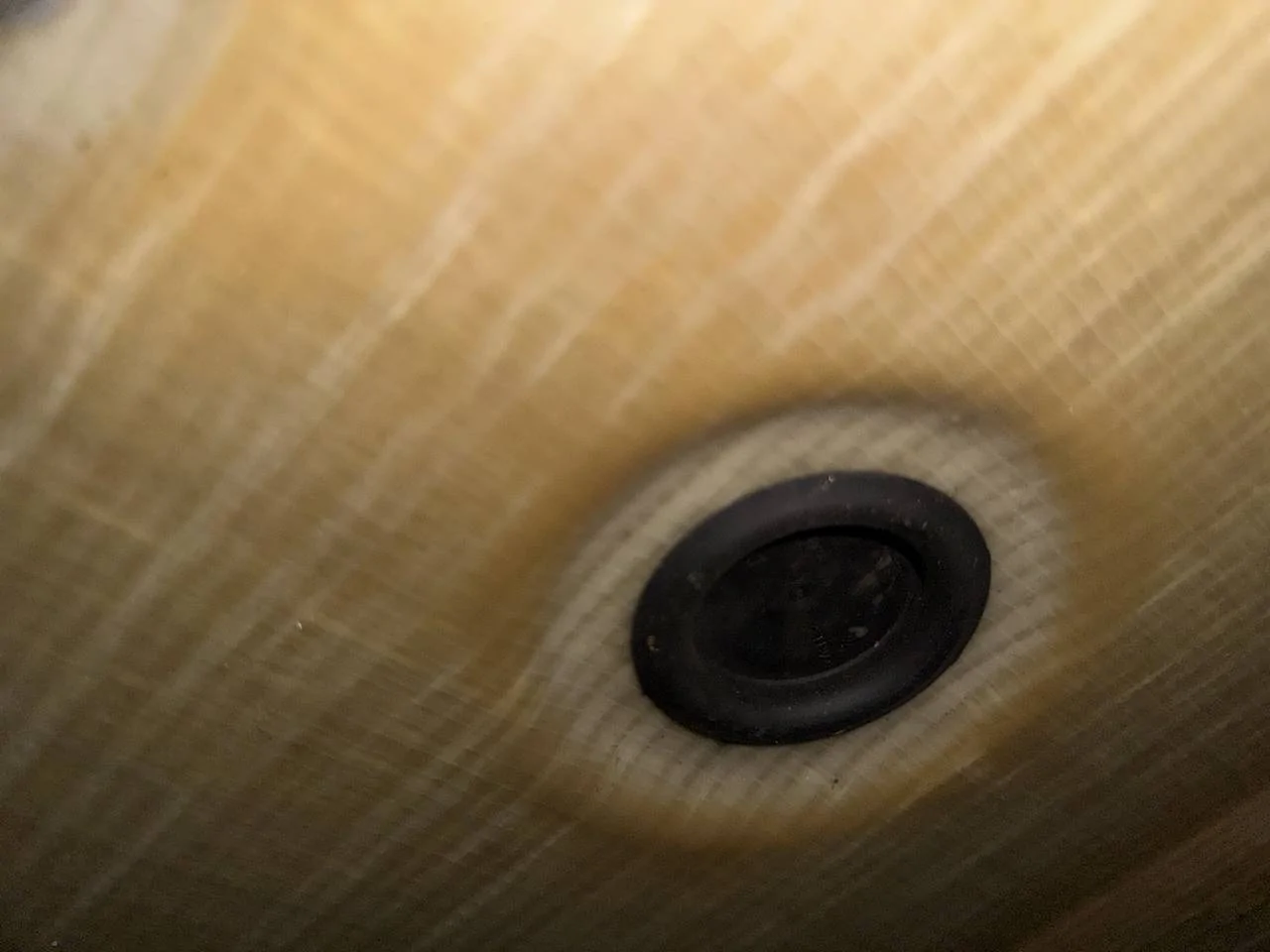
If the bottom of the battery takes a vertical impact the fibreglass won't protect anywhere near as well as aluminium but also will not show it since after considerable deflection it will spring back and any damage to the cooling will not be seen from outside.
Most plane manufactures also use fiber glass composites for a lot of their aircraft parts that are expected to go through mechanical impacts as far as I know, so it can't be as bad as you make it out to be, no?
Now, I don't know what Porsche used, but strength varies a lot depending on the quality of glass fibers being used. If they use any reinforcements or not,Amount of layers, if it has been through a heat treatment, orientation, resin quality, all of these will result in different resilience to mechanical impacts.
You are also describing "vertical impact". But that's not really the kind of impact that cars get on the underbelly, is it now?
We're also not comparing it to aluminium. We're comparing it to the steel sheet using by j1 taycan.
From my own experience with it, I continue to believe it is better, marginally as stated initially.
Sponsored
Last edited: